
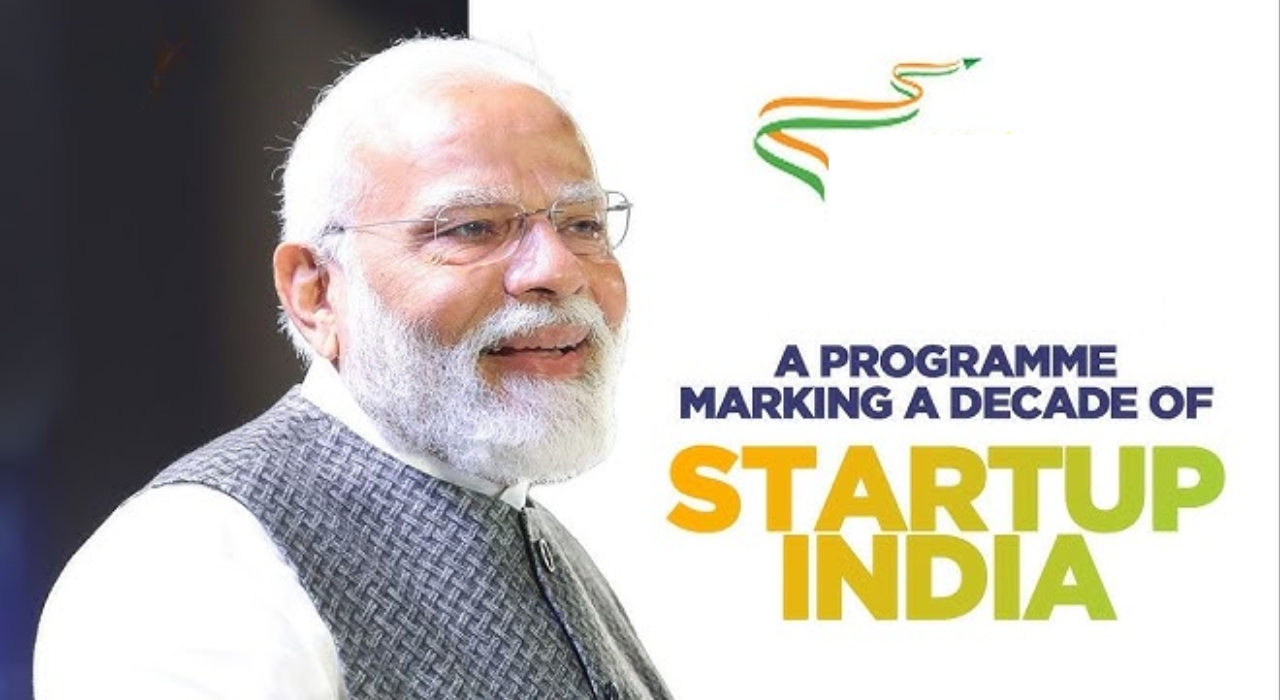
India’s innovation journey received global recognition at Bharat Innovates 2026, held in Nice, France, where Prime Minister Narendra Modi, in the presence of French President Emmanuel Macron, highlighted India’s emergence as the world’s third-largest startup ecosystem.
The event brought together innovators, entrepreneurs, investors, policymakers, and technology leaders from India and France, showcasing India’s growing influence in the global innovation landscape. More than a celebration of startup success, the conclave reflected how innovation, entrepreneurship, and technology are becoming central pillars of India’s economic growth strategy.
A Decade of Building an Innovation Ecosystem
Addressing the gathering, Prime Minister Modi emphasized that India’s innovation ecosystem has been built through sustained policy support, institutional initiatives, startup-focused programs, and a strong commitment to entrepreneurship over the last decade.
India’s startup ecosystem has grown from a handful of emerging ventures to a globally recognized innovation powerhouse. Initiatives such as Startup India, expanded incubation networks, digital public infrastructure, and improved access to funding have enabled entrepreneurs to transform ideas into scalable businesses.
The result is an ecosystem that now supports thousands of startups across sectors ranging from fintech and healthtech to deep tech, artificial intelligence, agritech, and climate innovation.
From Startup Growth to Innovation Leadership
While becoming the world’s third-largest startup ecosystem is a significant achievement, the next phase of India’s journey is expected to focus on innovation quality, deep technology, and global impact.
Today’s startups are not merely creating businesses; they are solving complex challenges across healthcare, education, agriculture, mobility, manufacturing, and governance. As technologies such as artificial intelligence, robotics, semiconductors, and automation continue to evolve, India has an opportunity to become a global leader in innovation-led problem solving.
The focus is gradually shifting from building more startups to building startups capable of creating transformative technologies for the world.
Why This Matters for the Future
The global innovation landscape is changing rapidly. Countries that can effectively combine talent, technology, research, and entrepreneurship will define the next wave of economic growth.
India’s young population, growing digital infrastructure, expanding startup ecosystem, and increasing adoption of emerging technologies position the country uniquely for this opportunity.
Key trends shaping the next phase of innovation include:
- AI-powered entrepreneurship
- Deep-tech and research-driven startups
- Industry-academia collaboration
- Global startup partnerships
- Sustainable and impact-focused innovation
These areas will play a crucial role in determining how India competes on the global stage over the coming decade.
The Role of Innovation Ecosystems
A thriving startup ecosystem requires more than funding and policy support. It requires institutions that encourage experimentation, problem-solving, collaboration, and entrepreneurial thinking.
From an SNS iHub perspective, innovation begins by empowering students, founders, researchers, and aspiring entrepreneurs to identify real-world problems and build scalable solutions. Through startup incubation, design thinking, AI-driven innovation programs, and entrepreneurial development initiatives, innovation ecosystems can bridge the gap between ideas and impact.
As India advances toward becoming a global innovation powerhouse, institutions that nurture talent and foster entrepreneurship will become increasingly important contributors to the nation’s growth story.
A Global Opportunity for Indian Innovators
Bharat Innovates 2026 serves as a reminder that India’s innovation story is no longer confined within its borders. Indian startups, technologies, and entrepreneurs are increasingly gaining international recognition and creating solutions for global markets.
The presence of world leaders, investors, and innovation stakeholders at the event reflects growing confidence in India’s ability to shape the future of technology and entrepreneurship.
For aspiring founders and innovators, the message is clear: this is one of the most exciting periods in India’s startup journey. The ecosystem is stronger than ever, opportunities are expanding rapidly, and the world is paying attention.
Looking Ahead
India’s emergence as the world’s third-largest startup ecosystem is a milestone worth celebrating. However, it is also the beginning of a larger ambition—building globally competitive technologies, fostering deep-tech innovation, and creating solutions that address challenges at scale.
As innovation continues to drive economic growth, the focus must remain on empowering the next generation of entrepreneurs, strengthening research and development, and building ecosystems that encourage bold thinking and meaningful impact.
The future of innovation is being shaped today, and India is increasingly positioned at the center of that transformation.
Keywords: India startup ecosystem, Bharat Innovates 2026, Startup India, innovation ecosystem, entrepreneurship, AI startups, deep tech, startup incubation, digital transformation, future of innovation, SNS iHub
#startupindia #innovation #entrepreneurship #ai #deeptech #bharatinnovates2026 #futureofwork #digitaltransformation #snssquare #snsihub #designthinking #designthinker